
Back to top


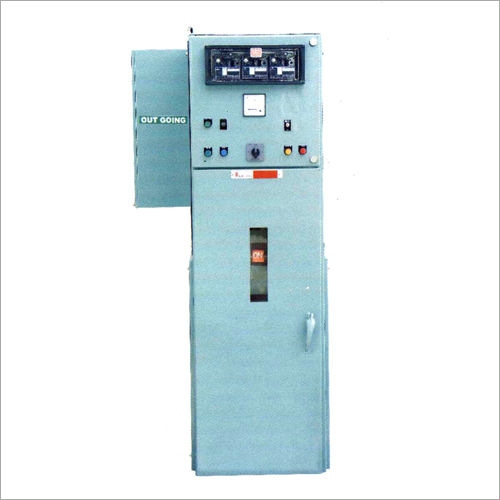
Superior Electrical Protection
Designed to meet IEC and IS standards, the HT VCB delivers high performance in circuit breaking, with a rated short circuit making current of 63kA and mechanical endurance for up to 10,000 operations. Its vacuum technology and temperature protection ensure enhanced safety and reduced maintenance in demanding power systems.
Adaptable Installation Options
Engineered for versatile use, this VCB suits both indoor and outdoor settings. Its robust enclosure (IP4X/IP2X) shields against dust and accidental contact, while maintaining operational reliability in ambient temperatures ranging from -10C to +55C and up to 100% relative humidity at 40C.
Advanced Operating Mechanism
A spring-operated mechanism ensures quick and consistent activation during fault conditions. The auxiliary contacts (6 NO + 6 NC) provide extensive control and feedback options, while the interlocking system adheres strictly to safety standards, enhancing protection for personnel and equipment.

We Are Mainly Deals In Uttarpardesh, Rajastaha, Uttaranchal, Punjab, Uttarakhand


HT VCB
240000 INR/Piece
Product Details:
- Phase Three Phase
- Rated Short Circuit Breaking Current 25kA
- Mechanical Life 10,000 Operations
- Breaking Capacity 26.3 kA
- Rated Short Circuit Making Current 63kA
- Product Type HT Vacuum Circuit Breaker (VCB)
- Installation Options Indoor/Outdoor
- Click to View more
X
HT VCB Price And Quantity
- 1 Piece
- 240000 INR/Piece
HT VCB Product Specifications
- 26.3 kA
- 10,000 Operations
- 50Hz
- Approx 95-120 Kg
- 11kV
- 63kA
- HT Vacuum Circuit Breaker (VCB)
- Grey
- Vacuum Circuit Breaking
- Three Phase
- 25kA
- 800A
- 3 Poles
- Yes
- Indoor/Outdoor
- Standard IEC / IS Curve
HT VCB Trade Information
- 2 Piece Per Week
- 5 Days
- All India
Product Description
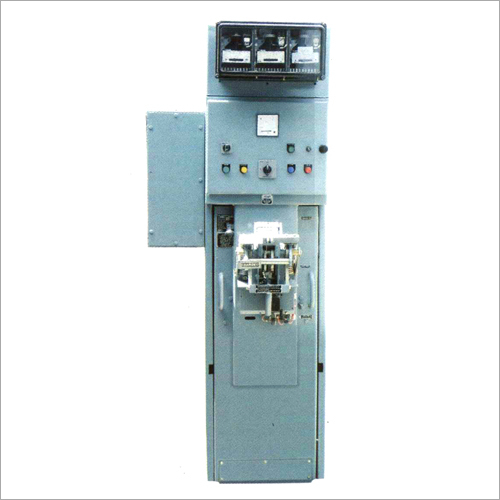
Our HT Vaccum Circuit Breaker helps in preventing unwarranted current caused due to overloading by interrupting an electric circuit. It is mainly utilized for providing safe working to HT supply systems. This helps in eliminating the situations of sparks caused due to high voltage. The breaker comprises vacuum interrupter that main function is to open and close current carrying contacts in a vacuum chamber. It has the ability to work exceptionally well for a long lasting span of time. The HT VCB has multiple automatic as well as adjustable features that aid in their effortless handling and easier operation. It is highly energy efficient as well as environment friendly. The breaker is packed in good quality packaging and delivered to customers on time.
Specification
| Poles Number | 2 Pole, 1pole+N, 1 Pole |
| Power | 11KV, 33KV |
| Country of Origin | Made in India |
| Brand | Arora electrical |
| Application | Industrial |
| Material | MS |
Superior Electrical Protection
Designed to meet IEC and IS standards, the HT VCB delivers high performance in circuit breaking, with a rated short circuit making current of 63kA and mechanical endurance for up to 10,000 operations. Its vacuum technology and temperature protection ensure enhanced safety and reduced maintenance in demanding power systems.
Adaptable Installation Options
Engineered for versatile use, this VCB suits both indoor and outdoor settings. Its robust enclosure (IP4X/IP2X) shields against dust and accidental contact, while maintaining operational reliability in ambient temperatures ranging from -10C to +55C and up to 100% relative humidity at 40C.
Advanced Operating Mechanism
A spring-operated mechanism ensures quick and consistent activation during fault conditions. The auxiliary contacts (6 NO + 6 NC) provide extensive control and feedback options, while the interlocking system adheres strictly to safety standards, enhancing protection for personnel and equipment.
FAQs of HT VCB:
Q: How is the HT VCB installed for indoor or outdoor applications?
A: The HT VCB is designed for flexible installation and can be set up in both indoor and outdoor environments. Suitable mounting arrangements, protection levels (IP4X for enclosure, IP2X for circuit breaker), and weather-proofing measures are advised for outdoor use to maintain optimal performance and safety.Q: What makes the HT VCBs vacuum circuit breaking technology advantageous?
A: The vacuum circuit breaking mechanism minimizes arc formation during fault interruption, reducing maintenance frequency and prolonging equipment life. This results in safer operations, higher reliability, and efficient fault isolation compared to traditional circuit breakers.Q: When should temperature protection be considered important for this VCB?
A: Temperature protection should be prioritized in settings where ambient temperatures may fluctuate significantly or reach the operational extremes of -10C to +55C. The built-in temperature protection safeguards against overheating, ensuring stable performance even under challenging environmental conditions.Q: Where can the HT VCB be used effectively in power distribution systems?
A: The HT VCB is ideal for medium voltage applications in industrial plants, substations, infrastructure projects, and utility networks across India. Its three-phase design and robust ratings support critical roles in circuit protection and control within diverse electrical distribution setups.Q: How are the auxiliary contacts utilized within the HT VCB?
A: The HT VCB is equipped with 6 normally open (NO) and 6 normally closed (NC) auxiliary contacts. These can be integrated into signaling, interlocking, status monitoring, and control circuits, enabling seamless automation and improved operational feedback within the electrical system.Q: What process ensures reliable operation during faults?
A: A spring-operated mechanism delivers rapid trip and close functions, triggered by remote or local control via trip and closing coils rated for 110V or 220V AC/DC. Combined with standards-compliant interlocking and auxiliary contacts, this process ensures consistent and safe breaker action in response to fault conditions.Tell us about your requirement
Price:
Quantity
Select Unit
- 50
- 100
- 200
- 250
- 500
- 1000+
Additional detail
Mobile number
Email

Other Products in 'Oil Circuit Breaker' category

We Are Mainly Deals In Uttarpardesh, Rajastaha, Uttaranchal, Punjab, Uttarakhand
Get In Touch
- KH-747, Near Lajwanti Place, Kamla Market, Meerut Road, Sihani, Ghaziabad - 201001, Uttar Pradesh, India
-
 Send Inquiry
 Send Inquiry
- Phone :07971549215
- Mr. Sanjeev Arora (Managing Director)
- Mobile :07971549215
 Send Inquiry
 Send SMS
|


 |
ARORA ELECTRICALS
All Rights Reserved.(Terms of Use) Developed and Managed by Infocom Network Private Limited. |
